Introduction
In our progressively uncertain world, having the capability to respond efficiently in emergencies can indicate the difference in between life and fatality. Combining CPR and First Aid: A Complete Life-Saving Skill Set outfits people with vital skills to take care of different medical circumstances. From small injuries to critical cardiac occasions, recognizing how to administer CPR (Cardiopulmonary Resuscitation) along with basic first aid could possibly save lives.
This short article will explore the basic elements of CPR and first aid, breaking down their significance, procedures, training options, and the advantages of getting these skills. We'll also explore psychological health and wellness first aid, an important element usually neglected but just as essential in emergency situations. By the end of this extensive guide, you'll value the requirement of mastering these life-saving techniques.
Understanding CPR: A Vital Life-Saving Technique
What is CPR?
CPR stands for Cardiopulmonary Resuscitation. It is a vital emergency procedure carried out when somebody's heart has stopped defeating or they are not breathing. The main objective is to maintain blood moving to the mind and other essential body organs up until specialist clinical aid arrives.
Why is CPR Important?
- Prevents Mental retardation: The brain can only survive without oxygen for a few minutes prior to permanent damage occurs. Increases Survival Fees: Quick action in executing CPR considerably increases survival chances. Research studies reveal that prompt bystander intervention can double or triple a sufferer's possibility of survival. Empowers Spectators: Knowledge of CPR outfits regular people with the self-confidence to act throughout emergencies.
How Does CPR Work?
CPR incorporates upper body compressions with rescue breaths (in specific circumstances) to keep blood circulation and oxygenation. Right here's a break down:
Assess the Scenario: Ensure the scene is secure prior to approaching. Check Responsiveness: Touch the individual and shout loudly. If unresponsive, call emergency solutions immediately. Open Airway: Carefully tilt the head back while lifting the chin. Check Breathing: Search for normal breathing for as much as 10 seconds. Start Upper body Compressions: Push set in the facility of the upper body at a price of 100-120 compressions per minute.The DRSABCD Approach
The DRSABCD approach functions as a phrase that aids recall crucial actions throughout an emergency situation:
- D - Danger: Check for hazards. R - Response: Analyze if the person is responsive. S - Send for aid: Call emergency situation services or have another person do it. A - Airway: Ensure it's clear. B - Breathing: Check if they're breathing normally. C - Compression: Begin chest compressions if they are not breathing normally. D - Defibrillation: Use an AED (Automated External Defibrillator) if available.
First Aid Fundamentals
What is Initial Aid?
First aid encompasses first help provided to somebody struggling with an injury or disease till professional clinical aid gets here. It intends to preserve life, prevent degeneration, and promote recovery.
Key Principles of First Aid
Preserve Life: The main purpose is always to save lives first. Prevent More Injury: Maintaining conditions stops problems from worsening. Promote Recovery: Giving convenience and treatment help in recovery processes.Common First Aid Procedures
Wound Care: Tidy cuts with soap and water; apply antibacterial ointment and cover with clean and sterile dressings. Burn Treatment: Great burns under running water for at least 20 mins; cover with non-stick dressing without using ice directly on burns. Choking Alleviation: For adults, execute abdominal drives (Heimlich maneuver). For infants, utilize back blows adhered to by breast thrusts.Combining CPR with First Aid Techniques
Why Incorporate These Skills?
When emergency situations take place, they commonly entail multiple aspects requiring both first aid and CPR abilities all at once:
- Heart assaults might call for prompt CPR while handling various other signs and symptoms like chest pain or shortness of breath. A person who faints may require both air passage administration and monitoring their crucial indicators until paramedics arrive.
How Do They Complement Each Other?
Combining these skills makes sure a more extensive approach throughout emergency situations:
While executing CPR, you could likewise require to check various other injuries that might have occurred because of falls or accidents bring about unconsciousness. Performing first aid appropriately can support a wounded individual's problem before resuming life-saving steps like CPR if necessary.Finding High quality Training Programs
Choosing Your First Aid Course
With countless alternatives available varying from neighborhood community universities to on the internet platforms, selecting top quality training comes to be critical:
Look for recognized courses such as those used by organizations like St John Ambulance or Red Cross Australia which provide certificates acknowledged nationally.
Consider specific courses tailored for your requirements:
- Basic First Aid Advanced First Aid Mental Health First Aid Course Infant/ Youngster First Aid Course
What Must You Anticipate from a Great Course?
Here's what makes a first aid program beneficial:
Comprehensive Curriculum: Treatment important topics such as wounds administration, cracks treatment, burns care, choking relief strategies, and so on, alongside DRSABCD principles.
Practical Training Sessions: Hands-on practice with mannequins enhances ability retention compared to academic discovering alone.
Certification Upon Completion: Training courses must supply recognized accreditations like HLTAID011 Supply First Aid or HLTAID009 Provide Cardiopulmonary Resuscitation upon successful completion.
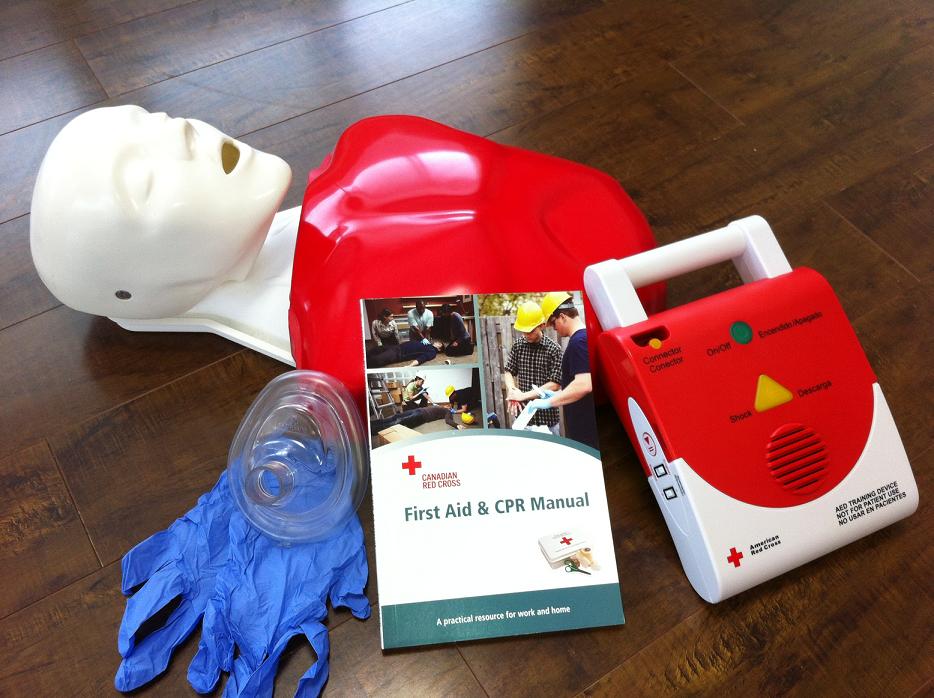
Refresher Choices Readily available: Normal updates on strategies through refresher courses ensure your abilities stay appropriate over time-- besides-- the length of time does a first aid certification last? Typically three years!
Mental Health and wellness First Aid
Understanding Mental Health First Aid
Emergencies aren't simply physical; emotional situations can occur too! Psychological wellness first aid involves aiding somebody experiencing mental health concerns or crises till specialist help arrives.
Why Mental Wellness Matters?
Mental health conditions can materialize unexpectedly as a result of stress factors such as work loss or grief leading individuals into dilemma settings calling for urgent assistance similar to any physical ailment!
Key Components of Mental Wellness First Aid
Recognize Warning Signs: Learn about common indicators like withdrawal from social interactions or drastic behavioral adjustments suggesting distress degrees requiring intervention urgently!
Engage in Active Listening & & Helpful Discussions: Supplying compassion promotes depend on enabling open discussion minimizing feelings related to solitude during trying times!
3. Provide Crisis Resources & & Follow-Up Care Options Post-Crisis Resolution Ensuring people obtain ongoing support navigating healing pathways!
FAQs
What does CPR stand for?
CPR represents Cardiopulmonary Resuscitation-- a lifesaving strategy used in emergencies when a person's heart quits beating.
How long does a first aid certification last?
Generally speaking, a lot of first aid certificates are valid for 3 years prior to needing revival through refresher courses!
Can I take on the internet programs for first aid training?
Yes! Various systems offer online-first-aid training programs identified nationally that furnish learners with basic skills required throughout emergencies!
Is psychological health included in regular first-aid training courses?
While some general-first-aid courses discuss mental health and wellness subjects briefly; consider registering particularly right into marked psychological health-first-aid workshops customized towards understanding psychological health erina basic first aid issues comprehensively!

Where can I find "first aid course near me"?
Utilize search engines inputting keyword phrases like "first aid course near me" aids identify local providers offering classes suited in the direction of your schedule choices easily!
Are there details accreditations needed for different work environments relating to first-aid roles?
Yes! Some markets mandate specialized accreditations such as work environment security officers needing extra training concentrated on hand-operated handling techniques making certain https://pastelink.net/2b2emz0s compliance requirements are met effectively across business environments!
Conclusion
In recap, understanding both CPR methods together with detailed understanding concerning basic-first-aid approaches develops a vital life-saving ability everybody should possess! Nobody understands when emergency situations may strike-- yet being ready empowers people creating safer communities qualified responding promptly effectively!
Investing time into obtaining pertinent accreditations via trusted training programs makes it possible for people obtain self-confidence enabling them take care of unanticipated scenarios comfortably capably! So why wait? Subscribe today-- it might make all difference tomorrow!
First Aid Pro delivers nationally accredited first aid & CPR courses in Erina from $29 — the Central Coast's flexible, affordable RTO (31124). Complete your theory online, then attend a short face-to-face session at The Erina Centre on Terrigal Drive. CPR, HLTAID011 First Aid, childcare, advanced and workplace courses, with same-week nationally recognised certificates. Women-owned and Australian-run, we've trained thousands across NSW — no full classroom days, no fuss, just confident, job-ready skills. Onsite parking, bus access from Erina Fair, and friendly local trainers. Book your Central Coast first aid course today. FIRSTAIDPRO AUSTRALIA (02) 5849 6336 Meeting Room 3 / 620-658 Terrigal Drive, Erina NSW 2250